What worked on LinkedIn a few years ago now hurts you. The connection request cap dropped to 200 a week, so volume playbooks are dead on arrival, and AI made personalized messages cheap, so the long researched note no longer stands out. We explain why the old playbook stopped working, what the new one looks like, and how to run it, because it has already booked thousands of meetings in 2026. The reframe underneath all of it: LinkedIn is not a cold outreach channel, it is a compounding growth channel that happens to have a cold layer, and it gets run by the whole company, not one rep.
What you will learn
- The two changes that broke the old playbook: the 200 a week cap and commoditized personalization, and why neither can be solved tactically.
- The deeper problem almost nobody talks about: LinkedIn is the only channel at your company with no single owner, and nine times out of ten that is why it "does not work".
- The three ways the old approach actively hurts you: restricted accounts, a burned target market, and the belief that LinkedIn is broken.
- The company-wide playbook: what sales, marketing, and executives each own inside the LinkedIn Revenue Flywheel, and how each one feeds the others.
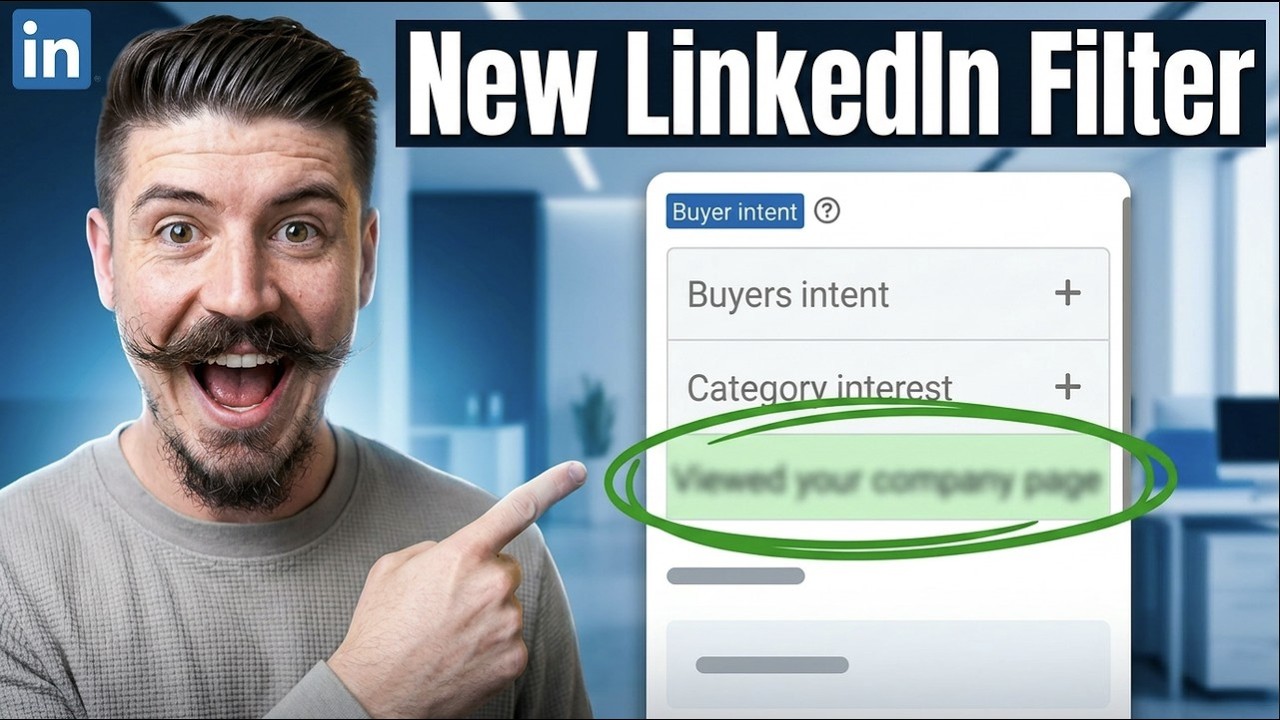
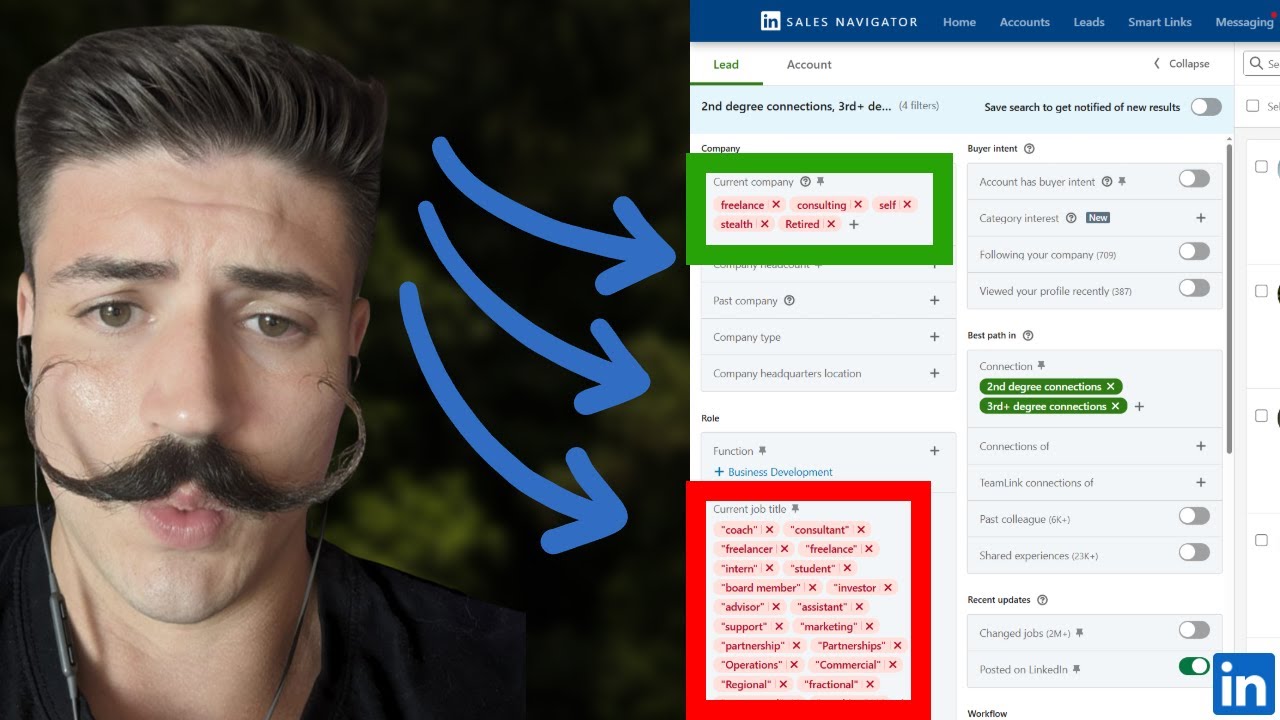
- Pillar one, growth: a human-looking profile, active targeting on the posted in the last 30 days and changed jobs in the last 90 days filters, and blank connection requests.
- Pillar two, outbound: the four-message sequence for the two weeks after a connection is accepted, from the problem-oriented opener to the loose breakup, with the results behind it.
- Pillar three, content: the 80/10/10 mix, 3 to 5 posts a week per person, running your best organic posts as thought leadership ads after 90 days, and installing the LinkedIn Insight Tag.
If you want one owner running the flywheel across your whole team, book a call and we will walk you through it on your numbers.